Direct Mail Personalisation: 8 Ways to Make Bulk Mail Feel One-to-One

One of the biggest misconceptions about bulk mail is contained in the name. “Bulk” suggests thousands of identical items sent to thousands of people. That can happen. But it does not have to. Modern direct mail can use customer data, segmentation, personalisation and high-quality production to make a campaign feel much more individual.
At its best, the recipient should not think: This was sent to 20,000 people.
They should think: This is relevant to me.
Here are eight ways to make that happen.
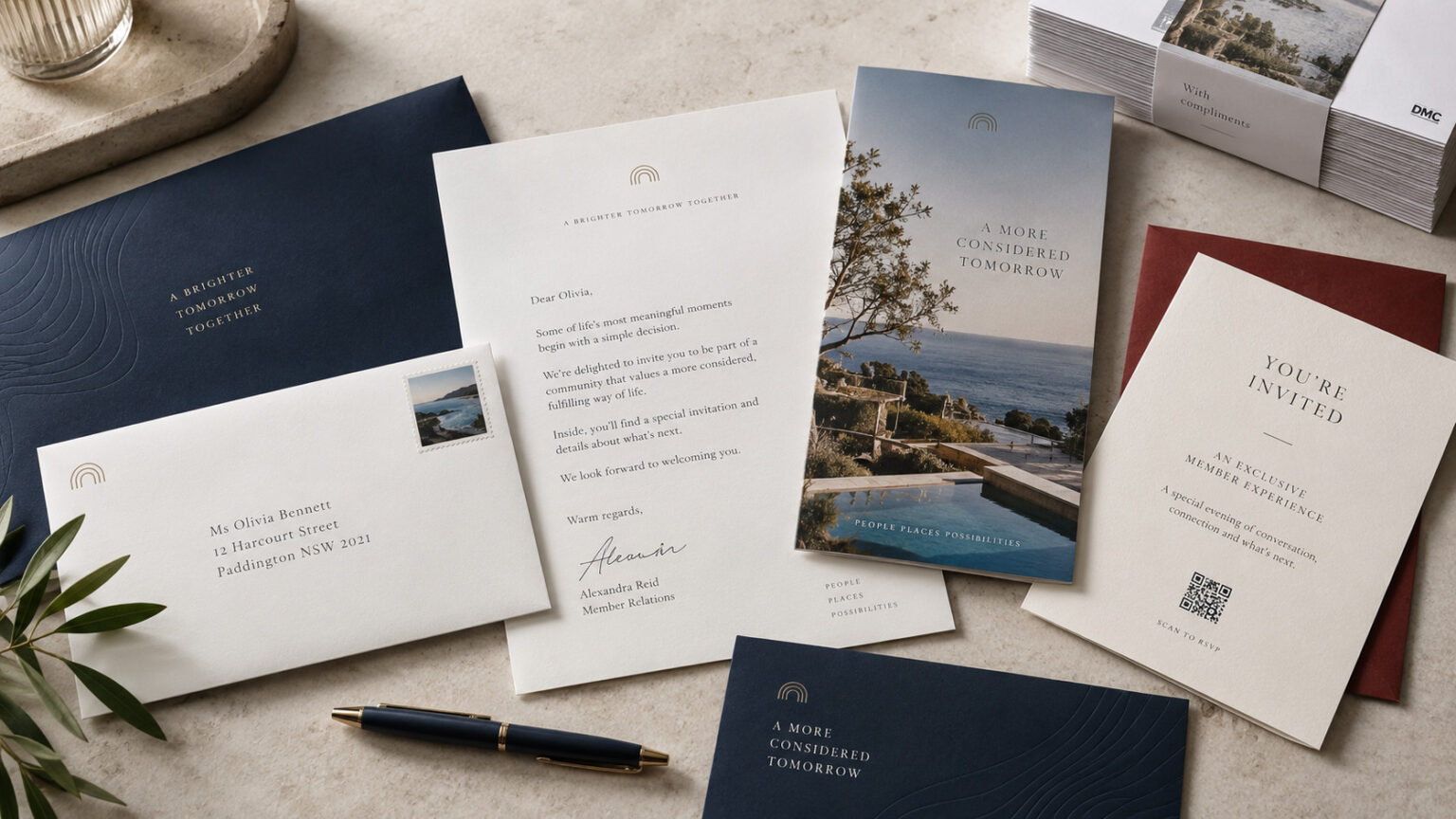
1. Use the person’s name — but treat it as the starting point
Adding a recipient’s name is the most familiar form of personalisation.
It is also the easiest.
A name can appear on:
– the envelope;
– cover letter;
– brochure;
– membership communication;
– offer;
– response device.
But simply inserting “Dear Sarah” at the top of an otherwise generic campaign is relatively basic.
The more useful question is: What else do we know that can make this communication more relevant?
2. Segment the audience
Not every customer should necessarily receive the same message.
Different groups may have different:
– purchase histories;
– membership types;
– interests;
– locations;
– customer value;
– product ownership;
– service relationships.
Instead of creating one campaign for everyone, businesses can create variations for meaningful customer segments.
For example:
– existing customers;
– lapsed customers;
– VIP customers;
– new prospects;
– different geographic regions.
Segmentation does not require creating hundreds of completely different campaigns. Sometimes a small change in message or offer creates much greater relevance.
3. Tailor the offer
A strong direct-mail campaign can vary the commercial offer depending on who receives it.
One customer group may receive:
– early access;
– loyalty pricing;
– a renewal offer;
– a complimentary service;
– an event invitation.
Another may receive a different proposition. The important point is that the variation should be driven by genuine customer logic rather than arbitrary personalisation. The goal is relevance.
4. Change the creative by segment
Personalisation can extend beyond text.
Different customer groups can receive:
– different imagery;
– different product categories;
– different covers;
– different featured services;
– different calls to action.
A fashion retailer, for example, might send creative reflecting customer purchase preferences. A membership organisation might feature different benefits depending on member type. The physical campaign can still retain a consistent brand while changing the content that matters most.
5. Use customer history intelligently
Some of the most effective personalisation acknowledges an existing relationship.
Examples could include:
– membership anniversary;
– renewal date;
– previous purchase;
– service history;
– customer tier;
– location;
– dealer relationship.
A message such as:
“Thank you for being with us for five years” feels very different from: “Dear Customer”. That difference comes from data.
6. Personalise the contents, not just the print
Direct mail fulfilment can also vary what physically goes into the pack.
Not every recipient necessarily needs:
– the same brochure;
– the same insert;
– the same offer card;
– the same product sample;
– the same response form.
Data-driven insertion can make the physical contents relevant to each audience segment. This can also reduce waste. There is little value in sending a customer an insert that has no relevance to them.
7. Connect physical mail to digital experiences
Print and digital do not need to compete. They can work together.
Direct mail can direct recipients to:
– campaign landing pages;
– online accounts;
– event registration;
– personalised offers;
– booking systems;
– ecommerce pages.
QR codes can make the transition from physical to digital particularly easy. Where appropriate, campaigns can also use personalised or campaign-specific URLs. This creates a customer journey that starts with something tangible and continues online.
8. Make the physical piece worth receiving
This is where direct mail has an advantage digital communications cannot fully reproduce. It exists physically.
The recipient can:
– hold it;
– open it;
– keep it;
– display it;
– pass it to someone else.
That gives brands opportunities around:
– paper stock;
– format;
– envelope;
– photography;
– colour;
– print finish;
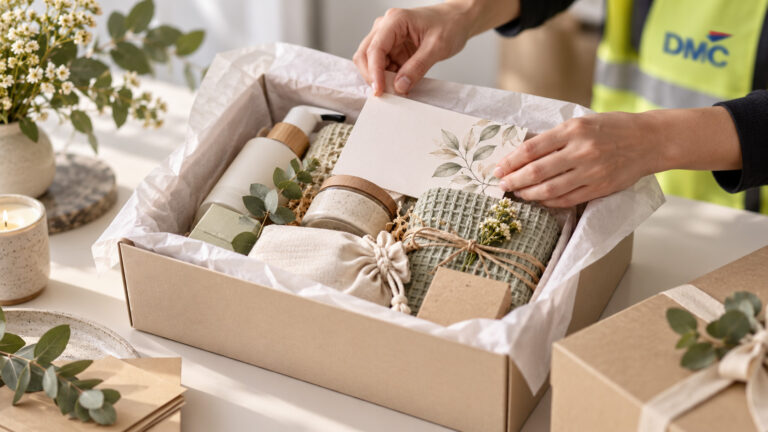
– packaging;
– tactile details.
A well-designed mail piece can feel more like a brand experience than an advertisement. This is particularly valuable for premium brands, membership organisations, automotive companies, charities and businesses where trust and presentation matter.
Personalisation depends on clean data
There is an important catch. Personalisation magnifies both good data and bad data. Using the correct customer’s name and history can make a communication feel thoughtful. Using the wrong name can make it feel careless. Sending two identical packs to the same person undermines the entire exercise. Sending a loyalty message to someone who has already cancelled creates the opposite of relevance. That is why data preparation matters.
Before production, businesses should consider:
– cleansing;
– validation;
– deduplication;
– field consistency;
– segmentation rules;
– proofing.
The creative may be what the customer sees. Data determines whether the creative reaches the right person in the right form.
Quality control becomes more important as campaigns become variable
A single generic mail piece is relatively straightforward to produce. A campaign with multiple versions creates more complexity.
The production process may need to ensure that:
– the correct letter matches the correct recipient;
– the correct insert enters the correct envelope;
– different segments receive the right creative;
– personalised information matches the address;
– campaign quantities reconcile correctly.
Automation helps, but quality control remains important. The more personalised the campaign becomes, the more valuable controlled production processes are.
Bulk scale and personal relevance can coexist
A campaign does not need to choose between efficiency and personalisation.
Large volumes can still be:
– data-driven;
– segmented;
– personalised;
– beautifully produced;
– relevant.
The best direct mail often uses the scale of a professional mailhouse while creating something that does not feel mass-produced when it arrives. That is the opportunity. Not to make bulk mail look like bulk mail. But to make thousands of recipients feel as though the communication was created with them in mind.